Choosing the Right carp fishing rods for Experienced Anglers
Professional Reviews: Find the Best Carp Fishing Rod for Your Next Big Catch
Picking the right carp fishing rod can significantly influence an angler's success. Expert reviews shed light on various rod types, including traditional, specialist, and ultralight alternatives. They also cover essential features like length, action, and test curve. With details regarding top brands such as Shimano and Daiwa, anglers can make knowledgeable decisions. However, understanding how to align these elements to individual preferences and fishing environments remains crucial for achieving ideal results.
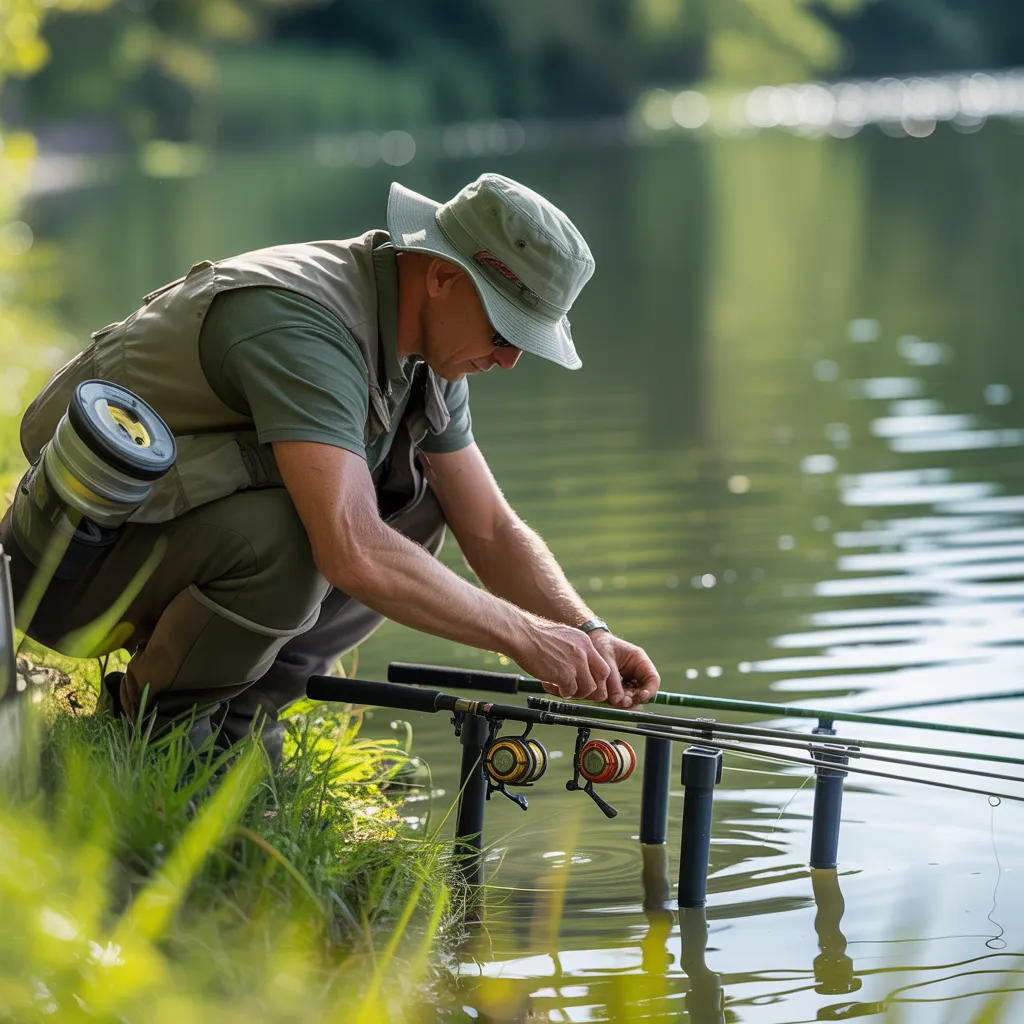
Learning About Carp Fishing Rod Types: Which One Suits You Best?
In choosing a carp fishing rod, how does one find the best option among the different types available? Knowing the different rod categories is essential for making an informed decision. Carp fishing rods commonly fall into three main types: standard, specialist, and ultralight. Standard rods are flexible and fitting for different conditions, making them a common choice among newcomers. Specialist rods, on the other hand, are built for specific techniques or environments, delivering enhanced performance for dedicated anglers. Ultralight rods provide an exciting challenge, permitting anglers to feel every tug and fight more intensely with smaller fish.
Each rod type differs in length, action, and casting weight, which directly affects performance. Picking the right rod is based on individual preferences, fishing style, and target species. By evaluating these elements, anglers can reduce their choices and select a rod that corresponds to their carp fishing objectives.
Important Features of Carp Fishing Rods: What You Need to Know
Comprehending the critical features of carp fishing rods can substantially improve an angler's experience on the water. Key aspects include rod length, which typically ranges from 10 to 13 feet, allowing for ideal casting distance and control. The rod's test curve, measured in pounds, demonstrates its strength and flexibility, vital for handling large carp. A higher test curve delivers more power for casting and fighting fish, while a lower curve offers sensitivity for detecting bites.
Another important feature is the material; rods made from carbon fiber offer lightweight construction and sensitivity, while fiberglass choices deliver robust durability. In addition, the reel seats and guides must be durable to stand up to regular use. Lastly, the action of the rod—whether fast, moderate, or slow—affects both casting ability and fish fighting performance. By comprehending these characteristics, fishing enthusiasts can make well-informed choices customized to their fishing techniques and the settings they experience.
Leading Carp Fishing Rod Brands Endorsed by Experts
Even though multiple brands feature carp fishing rods, specific brands consistently stand out for their performance and quality. Among these, Shimano is often praised for its innovative designs and durability, making it a favorite among seasoned anglers. Another prominent brand is Daiwa, famous for its accurate engineering and a wide range of rod options that cater to varied angling styles. Additionally, Korda has established credibility for producing exceptional rods that are specifically designed for carp fishing enthusiasts, offering superior sensitivity and reaction.
Fox International has earned recognition for its robust and reliable rods, catering to both beginner and experienced fishermen. Lastly, ESP is renowned for its premium craftsmanship and meticulous design, ensuring that anglers can trust their gear during critical moments. These brands are enthusiastically suggested by specialists, showcasing their focus on performance and quality in carp fishing equipment.
What Length and Action Should Your Carp Rod Have?
Choosing the appropriate length and action for a carp fishing rod is essential to improving overall fishing performance. Generally, carp rods range from 10 to 13 feet in length. Longer rods offer greater casting distance and leverage, making them perfect for fishing in larger waters. Conversely, shorter rods provide better control and are suitable for tighter spaces, such as lakes or rivers with dense vegetation.
Action describes the rod's flexibility and responsiveness. A rod with a softer action enables enhanced sensitivity to bites, while a firmer action provides more power for battling larger fish. For carp fishing, a medium or medium-heavy action is often recommended, as it balances sensitivity with the strength necessary to handle substantial catches. In the end, the choice of length and action should align with the fishing environment and the angler's personal preferences, guaranteeing an excellent fishing experience.
Creating a Budget for a Carp Fishing Rod
When assessing how to budget for a carp fishing rod, anglers must first evaluate their demands and preferences to identify a reasonable price range. Understanding the forms of fishing they intend to engage in and the conditions they will face can considerably influence the budget. For example, casual anglers may select more affordable rods, while serious enthusiasts might invest in higher-end options that offer better performance and durability.
Next, it is crucial to take into account additional costs, such as reels, lines, and accessories, which can increase the overall expenditure. Researching multiple brands and models within a chosen price range can help identify the best options that meet both performance and budgetary needs. In conclusion, keeping an eye out for sales, discounts, and second-hand options can provide opportunities to acquire quality rods without exceeding the budget. This approach delivers a balanced decision when investing in carp fishing gear.
Selecting the Ideal Carp Fishing Rods That Fit Your Budget
Finding the right carp fishing rod on a budget requires meticulous consideration of various factors that suit an angler's individual needs. To start, anglers should establish their fishing style and preferred location, as these components determine rod length and action. Budget-conscious anglers typically learn that rods ranging from 10 to 12 feet deliver multi-purpose use for multiple settings.
Next, material selection is vital; graphite rods offer sensitivity, while rods made of fiberglass ensure long-lasting performance. The decision between a single-piece or two-piece rod can also impact transport convenience and storage options.
Furthermore, anglers should examine the rod's power rating to verify it can handle the expected size of carp. Finally, examining reviews and comparing features among different brands can help identify the best options within a budget. By emphasizing these factors, anglers can select a carp fishing rod that fulfills their requirements without overspending.
How to Care for Your Carp Fishing Rod: Maintenance Tips
Caring for a carp fishing rod is vital to guarantee its longevity and performance. Regular cleaning is critical; after each use, anglers should rinse the rod with fresh water to remove debris, salt, and particles. A soft cloth can effectively wipe down consult now the blank and guides, avoiding rust and wear.
Examining the rod for any evidence of damage, such as cracks or loose guides, is also critical. If any issues are identified, prompt repairs can avert further deterioration. Additionally, proper storage is crucial; rods should be kept in a protective case and maintained away from extreme temperatures or humidity.
Greasing moving parts, such as reel seats, assures smooth operation and extends the life of the rod. Finally, avoiding overloading the rod with excessive weight during fishing assists in preserving its structural integrity. By adhering to these maintenance tips, anglers can use their carp fishing rod for many seasons.
Questions & Answers
When Is the Best Time of Year to Fish for Carp?
The most favorable time of year for carp fishing is usually spring and early summer when water temperatures warm up. During this phase, carp become more active and are often found in shallower waters, looking for food.
In What Ways Do Weather Conditions Impact Carp Fishing Success?
Atmospheric conditions substantially affect carp fishing success. Warm weather promote feeding, while overcast skies boost activity. Conversely, extreme weather, such as stormy conditions or temperature drops, can bring about diminished feeding behavior and make carp harder to catch.
Which Bait is Best for Catching Carp?
Sweet corn, boilies, and bread are often thought to be among the most successful baits for enticing carp. Their particular fragrances and textures lure carp, leading to more frequent bites and deliver a fruitful fishing outing.
Is It Possible for Beginners to Successfully Use Advanced Carp Rods?
Indeed, novices can effectively utilize advanced carp rods. However, they may require time to adapt to the equipment's nuances. Understanding rod mechanics and methods will improve their angling experience and boost their catch rate.
Are There Any Special Fishing Regulations for Carp Fishing?
Yes, specific fishing regulations for carp fishing change by location. These can include restrictions on catch size, seasonal restrictions, and licensing requirements. It is vital for anglers to become acquainted with local rules prior to fishing.